




by Ellad Kushnir Matarasso
26 Aug 2025
How Creative Analytics Powers Smarter Ad Decisions
Creatives are everywhere. Scroll any feed, open any app, watch any story, and you see it. The problem isn’t making more creatives.…

The Alison MCP Server is live: creative intelligence inside your AI workspace.
Connect Your Workspace
by Ellad Kushnir Matarasso
Sep 16, 2025
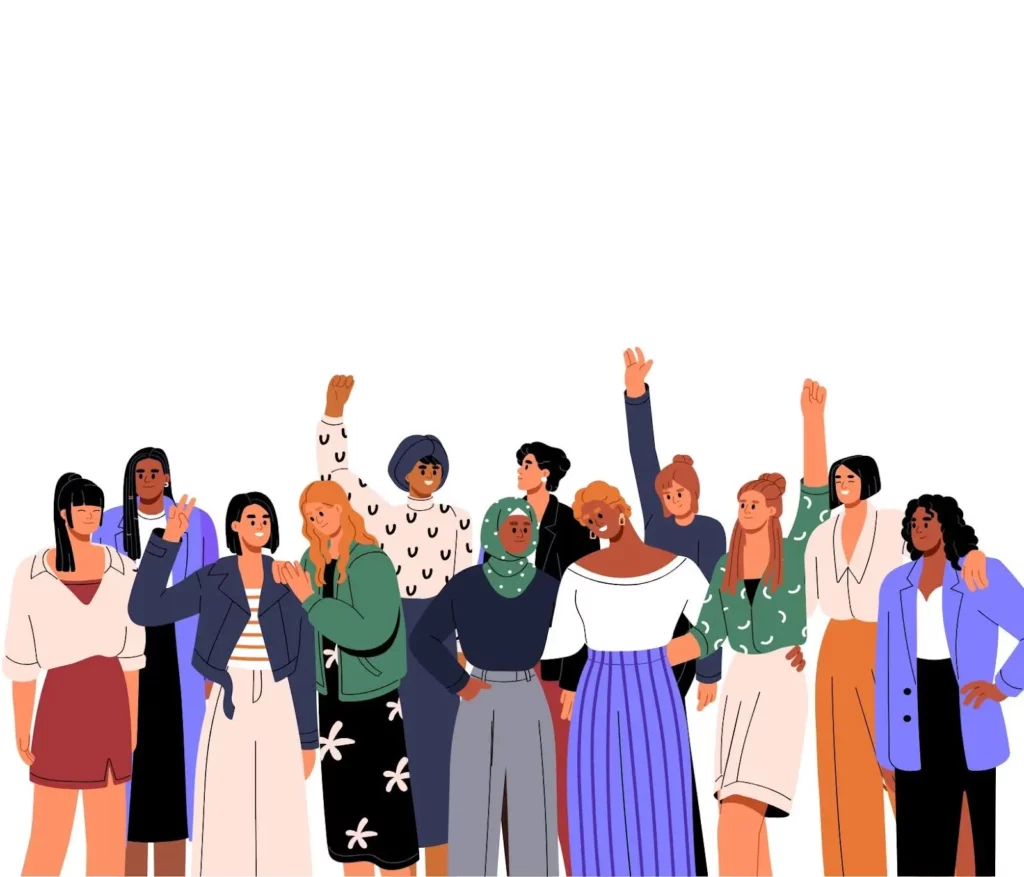
Advertising data in 2025 poses alarming questions about gender inequality and why women deserve better branded content.
Women make up nearly half of the global population, control nearly $32 trillion of worldwide spending and, according to NielsenIQ (NIQ)’s report, are expected to hold 75% of discretionary spending by 2029.
Increasingly, women make the economic decisions for their families and are the biggest spenders in nearly every sector. This 80% influence on consumer spending is because of modern changes in business, family, and spending trends. For brands and retailers, this message is clear: connecting with women in an effective, meaningful way continues to be an important strategy with enormous payoff.
So why isn’t the advertising industry taking women seriously?
Over 90% of women feel like brands don’t understand them. With their discretionary spending power, female shoppers make up the most powerful consumer group worldwide. This disconnect isn’t simply a missed opportunity–it’s an invaluable business risk. Inclusive advertising is about more than representation, as it drives brand performance, consumer trust, and product desire.
Progress in female representation in advertising is falling short. Based on 1 million ads from over 100 countries, there are significant gaps when it comes to this sector. Outdated stereotypes, racial disparities in ad spending, marketing trends, and product efficacy show that the advertising industry still has a long way to go, and a lot of work to do.
Women are still cast in traditional roles. While 71% of women in ads are shown as domestic, only 20% were showcased in professional or leadership roles. Women of all types want to be seen as their progressive, individual selves: advertising needs to focus on the arts, STEM, sports, and more.
Older women are almost entirely vanishing from ads. Women over 60 are almost universally depicted in domestic or subservient roles, with less than 6% placed in professional settings in 2025.
Racial disparities continue to draw lines in advertising. Ads prioritize lighter skin tones–not just White women, but lighter skin tones are shown nearly 5x more in advertisements and investment than darker-toned women. In 2025, no darker-skinned women were cast in leadership roles.
In the United States specifically, the market showed 95% of women in domestic roles. This failure to connect representation with real shoppers created a dip in business impact–inclusivity in advertising is proven to drive positive impacts on commercial outcomes. In America, women are typecast more than anywhere else in the world.
Consistently, research shows that ads with progressive female representation drive brand choice by 20% and boost sales. Nearly 80% of modern consumers consider a brand’s diversity efforts while making purchasing decisions.
Brands cannot benchmark themselves and show targets for progress without maintaining insights into the current state of the advertising market. Social media advertisements overwhelmingly show women as traditional and domestic, refusing to engage with women in diverse fields. Brands have an opportunity to improve their representation and appeal to a wider market with growing purchasing power.
For instance, only a third of all pharmaceutical and healthcare advertising accurately portrays women in these roles, despite women making up 75% of hospital employees as of 2021. More recently, 2024 reports have shown that women in the health care and social assistance industries have rapidly evolving buying power.
Women control 85% of purchases and 29% of STEM roles, according to Forbes. The market is missing opportunities, and this is no longer the “Mad Men” men-first world of advertising. If women are earning more, and spending more, why aren’t brands reaching out to them directly? Why are advertisers wasting money on short-sighted, ineffective ads?
Women are smart, savvy, and know when they are being pandered to by outdated and patronizing marketing. Brands should focus less on a generalized idea of the “ideal female customer” and instead specifically target the female market with content that resonates, educates, and entertains.
Nearly half of all women feel misunderstood by brands, despite controlling two-thirds of the world’s discretionary spending. Outdated stereotypes, ineffective systems, and ineffective data mean that the industry is lagging behind the trends.
So how can brands actually connect with this powerful audience? AI is opening the door to change, providing the perfect opportunity to address the risks of gender bias in advertising campaigns. That’s where Alison.ai comes in. By analyzing a brand’s creative library and pre-flight testing creatives before they launch, Alison identifies the patterns that drive engagement. Rather than relying on outdated assumptions, marketers can tap into real-world insights: which visuals spark attention, which narratives resonate, and which messages fall flat. These insights help brands speak to women authentically, across industries from fashion and gaming to e-commerce and B2B. By grounding creative decisions in real consumer behavior, advertisers can move past stereotypes and build campaigns that reflect women’s diverse roles, backgrounds, and lifestyles.
AI improves the effectiveness of your advertising campaigns by creating hyper-personalized content, ensuring they stay relevant as consumer preferences change by leveraging real-time predictive analytics. Grounding creative decisions in real consumer behavior allows brands to gain better understanding of their audience, move past stereotypes, and build campaigns that reflect women’s diverse roles, backgrounds, and lifestyles–enabling more accurate visual representation.
These findings show that society continues to evolve, while advertising lags. While advertising capability has taken massive strides toward inclusivity, the data shows that marketers need to wake up and do better for women. It’s not only a cultural critique, but a financial loss.
Marketers have the chance to stand out in an increasingly powerful spending demographic, and it’s time they flex their creative systems, rethink tactics, and create advertisements that resonate with women globally.
by Ellad Kushnir Matarasso
26 Aug 2025

by Ellad Kushnir Matarasso
24 Jun 2025