




by Ellad Kushnir Matarasso
4 Apr 2025
Patterns That Stick: The Strategies of Top Brand Ad Campaigns
Some brands have a way of locking into what matters to you — not in a loud or flashy way, but with…

The Alison MCP Server is live: creative intelligence inside your AI workspace.
Connect Your Workspace
Ad copy often gets treated like decoration when it is usually doing a lot of the heavy lifting. A single line can clarify a message, change a perception, or turn hesitation into action. The best examples do not shout or overpromise. They know who they are speaking to, and they say just enough to leave a mark.

This article looks at five real ads that got it right. Each one takes a different approach, some lean on humor, others on timing or insight, but they all share one thing. They understand the moment and the audience. They do not waste words. They speak clearly, with a voice that feels specific, not generic.
If you are writing ads, these examples offer something useful: not formulas, but reminders of what thoughtful, well-placed language can actually do.
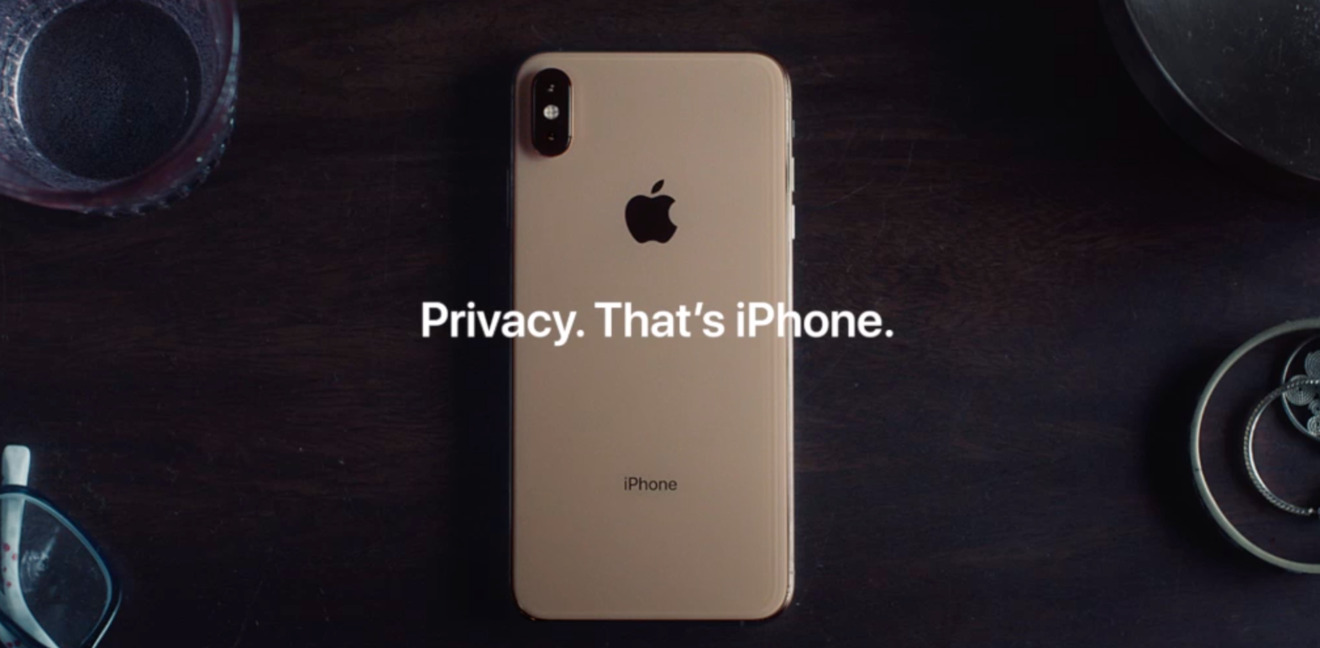
Apple – “Privacy. That’s iPhone.” (2019)
Apple’s “Privacy. That’s iPhone.” campaign started with a single billboard in Las Vegas during CES, then became something bigger. The original “What happens on your iPhone, stays on your iPhone” sign kicked off a broader digital effort that put privacy front and center. The main campaign line was cleaner, shorter, and more direct: “Privacy. That’s iPhone.”

Why it worked:
The campaign understood that consumers were starting to worry about their data, but didn’t know who to trust. Apple stepped in with a promise that felt both simple and significant. The line worked because it didn’t explain or justify; it just stated a fact.
Conversion power:
It worked because Apple read the room perfectly. They knew privacy was becoming a dealbreaker for their audience, and they were ready with the right message at the right time.
Heinz – “Ridiculously Late. Ridiculously Good.” (2022)
Heinz took an awkward truth and turned it into the whole campaign. After 150 years of making ketchup, the brand was finally launching a line of pasta sauces. Instead of glossing over the delay, they pointed to it. The line was simple, playful, and honest. It invited the audience in with a smile, not a pitch.

Why it worked:
The phrasing left space for the audience to laugh, nod, and consider the product on their own terms. There was no need to push hard. The copy gave just enough, then stepped back.
Conversion power:
In the end, it worked because it felt like a brand that knows itself. The line said everything it needed to and nothing extra. That kind of clarity often moves people further than the usual hype ever could.
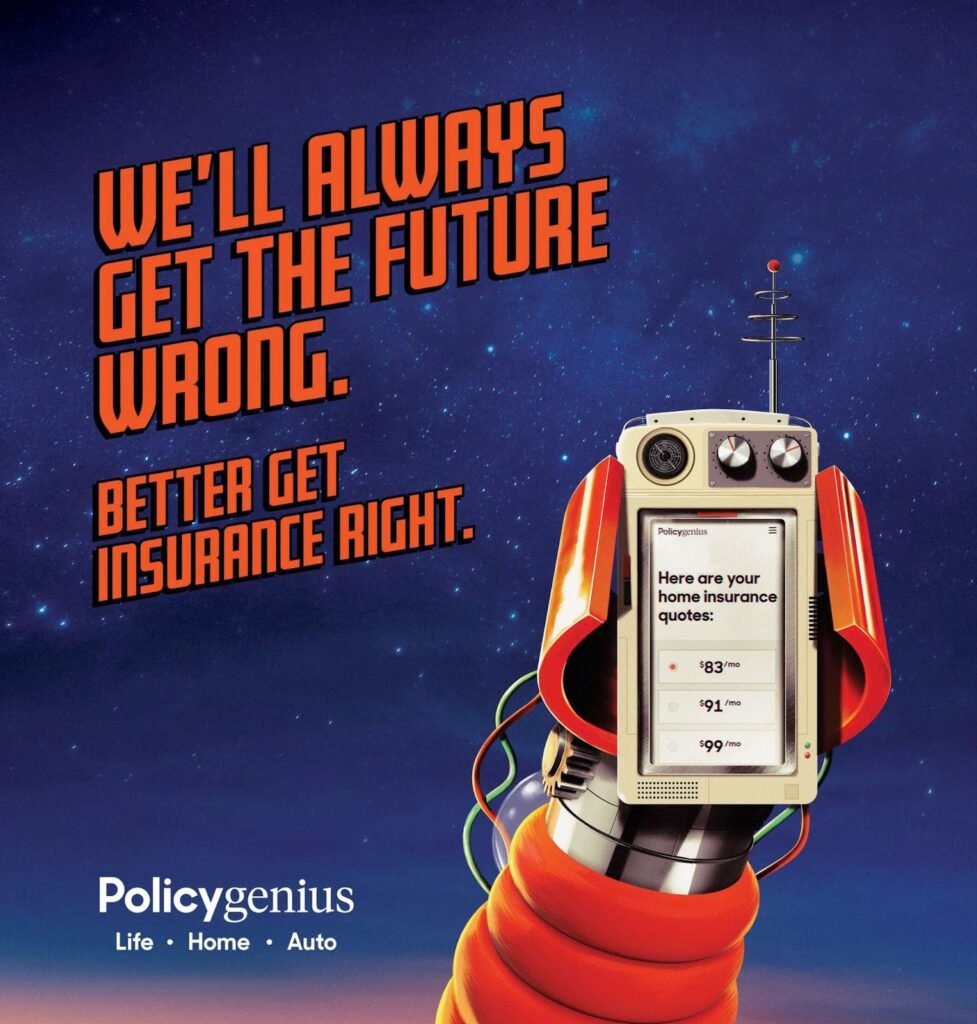
Policygenius – “We’ll Always Get the Future Wrong” (2019)
Policygenius launched this campaign across digital channels with a simple insight about human nature. While the line originally appeared in subway cars, it expanded to digital screens in MTA stations, across 80+ podcasts, radio, Facebook & Instagram, and display ads. The retro-futuristic aesthetic was deliberately chosen for its ability to translate consistently across different media formats.
Why it worked:
The campaign started in subway cars but was built to scale across digital touchpoints. The retro-futuristic look worked whether someone encountered it on a platform digital screen or through social media. The copy didn’t need to explain the product—it made a point that felt honest and let people connect the dots.
Conversion power:
It worked because the team designed it to translate across channels. The message and aesthetic remained consistent whether someone saw it on a subway car or heard it in a podcast.
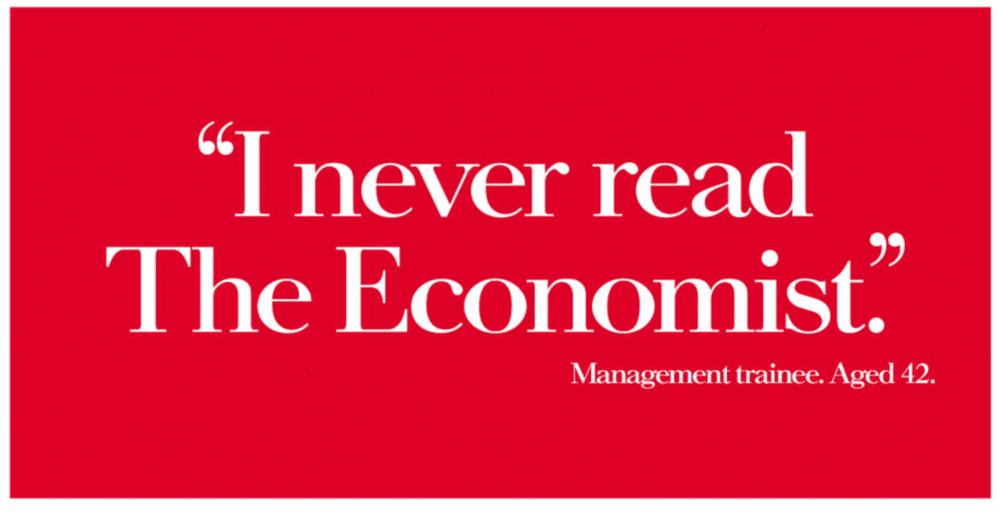
The Economist – “I never read The Economist.” – Management Trainee. Aged 42.
This line ran as part of a long campaign that did not just promote a magazine. It sold a mindset. The copy was short, but it hit a nerve. It framed the reader as someone with ambition and then hinted at what might be holding them back. The tone was dry, the layout was clean, and the message landed quickly.
Why it worked:
The line was not about features or subscription deals. It was about identity. That made it harder to ignore.
Conversion power:
This campaign worked because it knew exactly who it was speaking to and trusted them to get the message without needing everything explained.
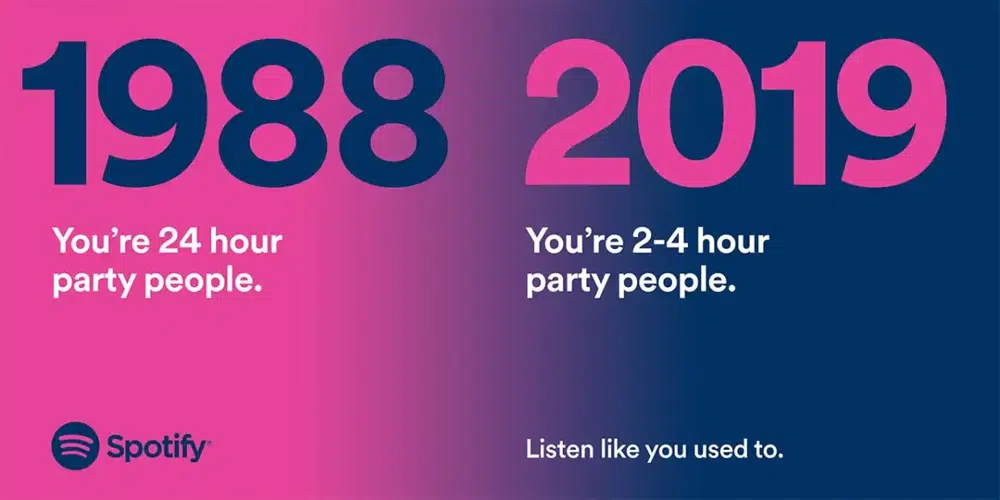
Spotify – “Listen Like You Used To” (2019)
Spotify’s ad spoke softly and hit right where it counted. It played on memory without getting sentimental, and it made its point with a tiny shift in a familiar phrase. The copy compared 1988 and 2019 in a few words, using rhythm, pacing, and a hyphen to land the joke. It invited the reader to smile, then reminded them of something they had not thought about in a while.
Why it worked:
The ad did not try to list features. It simply reminded people of what they once loved, and left the door open.
Conversion power:
It worked because it did not push. It understood the feeling and let that be enough.
When you have the right tools, your copy lands. Great ads hit different for every audience and every product. What works isn’t always obvious until you see the patterns. Alison.ai breaks down every creative element, from headlines to CTAs, and shows you what actually drives performance. When copy moves people, we spot it. And we help you spot it too.

Our platform uses creative analysis to help businesses understand what resonates with audiences, going beyond opinions and guesswork. We analyze real data across platforms and audiences, so you can see what kind of language gets attention, holds interest, and leads to results. We do this not just with copy, but with video, design, and competitive intelligence.
Whether you are refining your message, exploring new formats, or figuring out what your competitors got right, we give you a sharper view of your creative. Because clear insights lead to better choices, and better choices lead to better ads.
Book a demo today.
by Ellad Kushnir Matarasso
4 Apr 2025

by Ellad Kushnir Matarasso
26 Aug 2025